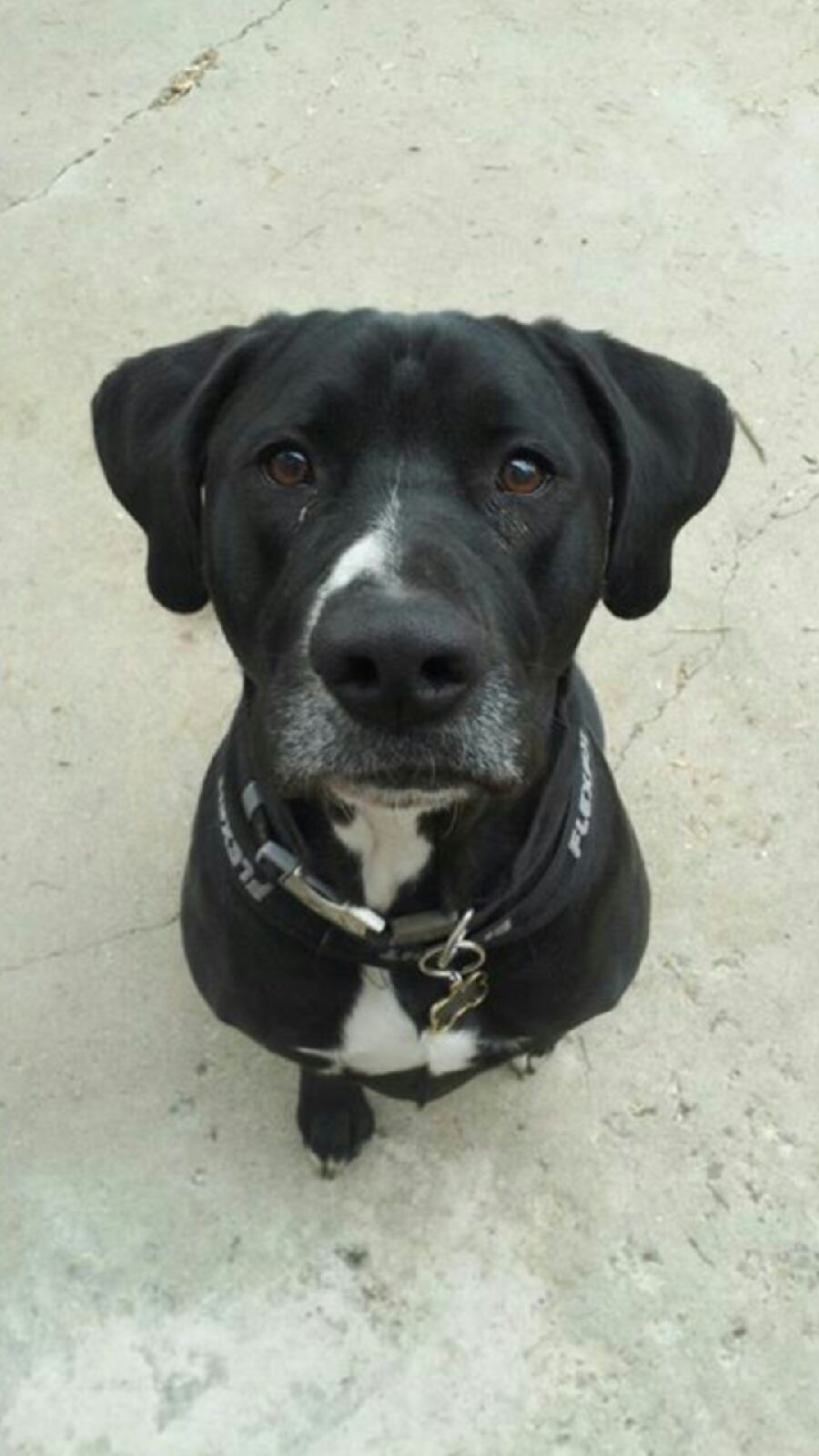
 Mikko
Mikko
Mikko is a 3 year old lab mix Therapy Dog in training. Mikko and his Handler, Justin Malkin MA, NCC, LPC are both engaging in classes with Denver Pet Partners to become fully certified Animal Assisted Therapist. Upon us meeting, it will be discussed if Mikko would be a good fit to bring into session and whether or not you or your family would feel comfortable taking part in Animal Assisted Therapy. Mikko loves his job and take its very serious. He is comforting, playful, and full of energy at times. Mikko is good at determining how to act based on the emotions, attitude and behaviors of the people present in the room at specific times. If this sounds fun, it is! Give us a call and give it a try.
A Little more regarding Animal Assisted Therapy:
Animals can be used in a variety of settings such as prisons, nursing homes, mental institutions, hospitals and in the home. Assistance dogs can assist people with many different disabilities; they are capable of assisting certain life activities and help the individuals navigate outside of the home.
Steps in animal-assisted therapy include three stages for physical and psychological health improvement.
Stage One:
Patient goes to session with therapist without animals present to assess therapy needs. The next session the animal is introduced to the client and interactions between the animal and client begin.
Stage Two:
Developing a bond between the animal and client by developing motor skills. Examples include feeding the animal treats or grooming. Then an introduction of verbal skills using verbal commands such as stay and sit. Therapists use animals as a form of motivation for the client. The client is asked to perform tasks like getting water and food for their animal to improve motor functions like walking. Positive social interactions with animals is translated and generalized to positive human interactions.
Stage Three:
Therapist monitors improvement with animal interaction and human interaction and judges positive social situation. Patients are then given power and independence with the freedom to make choices for the animal assisted therapy partner. After client can interact with humans as well as they can with animals treatment is complete.
Animal Assisted Therapy with Children:
Children also can receive positive benefits from Animal Assisted therapy in the theraputic setting. In 2014 a study was conducted. The study was with children and therapy dogs in a theraputic setting. This study found that the animals provide a social and emotional support system for the child, with assumptions that because the animal seems non-judgmental to the child, it is perceived as comforting, raises the child’s self-esteem and makes it easier for the child to express themselves.
Therapists rely on techniques such as monitoring a child’s behavior with animal, their tone of voice, and indirect interviewing. These techniques are used, along with the child’s pet or other animal, in order to gain information. Before Animal Assisted Therapy can be useful, the child and the animal must first develop a sense of comfort with each other, which is easier to achieve if the child’s own pet is used. The applied technique that generates the most helpful information about the victim’s experience is telling the child that the animal wants to know how they are feeling or what happened. Applying Animal Assisted Therapy to victims of sexual assault can also reduce depression, anxiety, and other symptoms of post-traumatic stress disorder. Animal Assisted Therapy promotes social interaction and is increasingly more accessible to those who already have pets. Victims of sexual assault are less likely to be anxious and are comforted by the presence of a companion that is offered through Animal Assisted Therapy. While there are other ways in which victims of sexual assault can receive therapy, the application of Animal Assisted Therapy does have a certain degree of success in these situations. For example, Animal Assisted Therapy helps the counselor and victim develop a positive alliance and a great sense of rapport more quickly. As mentioned before, the presence of a pet or other animal helps victims of sexual assault feel more comfortable in a therapy setting. The application of pet therapy in sexual assault cases has also contributed positively to victims outside of counseling sessions. The positive feelings that pet therapy induces during therapy sessions with sexual assault victims will carry over with victims outside of therapy. The increased comfort that having a companion builds will also help victims remain more comfortable from day to day, which will lead to fast recovery. Studies of the human-companion animal bond reveal many physiological and psychological benefits. “Petting a dog with which one is bonded to promotes relaxation, characterized by decreased blood pressure and increases in peripheral skin temperature”. Other benefits include releasing stress, increasing morale, increased calmness, decrease preoperative anxiety, improve patient outlook, reduce the need for preoperative medication, reduce fear and anxiety in patients with a psychiatric condition. “Motivation is increased with animal interaction”. Interaction with animals changes the morale of long-term care residents. Occupational therapy participants continue doing therapeutic activities for a longer duration when animals are present, thereby increasing the benefits of this therapy.